
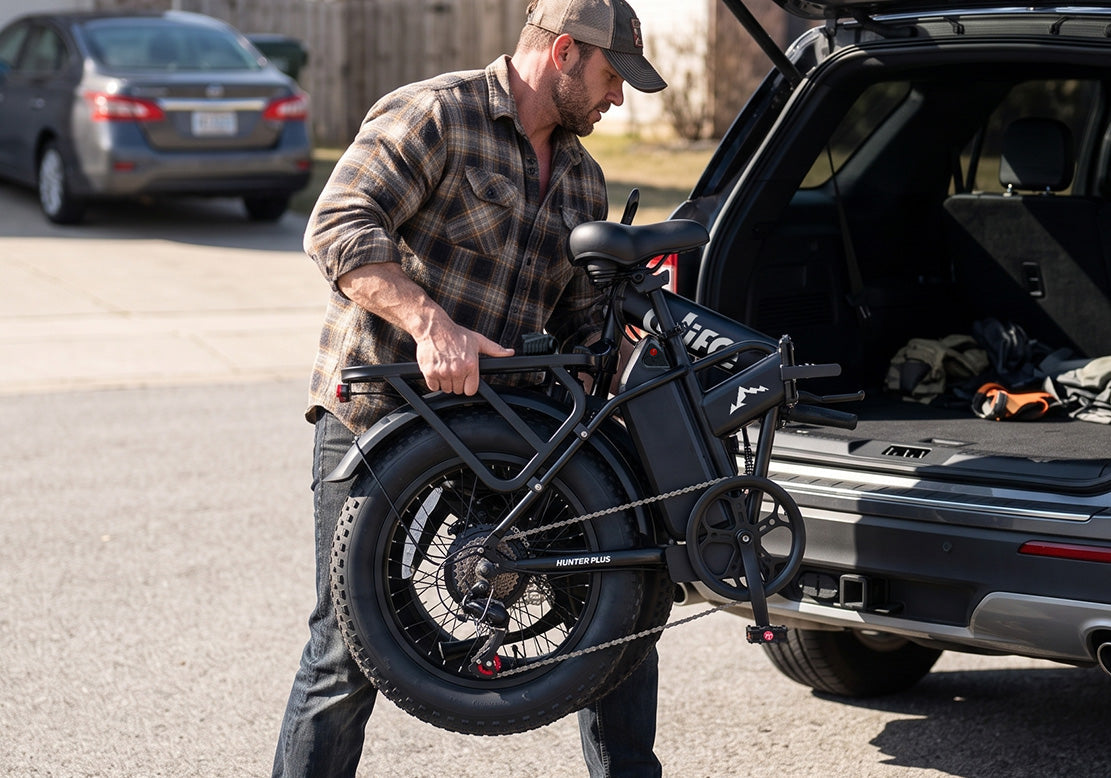
E-bike maintenance is a little more complicated than maintaining a standard bike. There are the usual tasks like removing dirt, lubricating the drivetrain, or keeping the tires inflated. But then there are special tasks related to the battery and motor. That’s why it’s useful to have an e-bike maintenance checklist.
If you’re new to e-bike maintenance, we’ve covered everything you need to know below. It describes how to look after your bike, when to book a service, and what you need to do if you put your bike into storage.
 E-Bike Maintenance Schedule at a Glance
Most e-bike maintenance is safe for owners to do themselves. From a quick inspection to regular cleaning, it can keep the bike in good condition, preventing corrosion and damage. However, when it comes to specialist tasks like managing the brakes, bearings, battery, or motor, it’s best to leave it to a professional.
|
Service interval |
What to check or do |
Who should do it? |
|
Before every ride |
Check tire condition, brakes, wheel security, controls, battery lock, lights, and unusual sounds. |
Owner-safe |
|
Weekly |
Clean the bike, dry it after wet rides, inspect the chain, remove debris, and lubricate the chain when required. |
Owner-safe |
|
Monthly |
Measure tire pressure, inspect brake pads and rotors, check spokes, axles, fasteners, cables, and visible wiring. |
Owner-safe or advanced owner |
|
Every 500 miles |
Measure chain wear and inspect the drivetrain, brakes, wheels, bearings, connectors, and error history. |
Advanced owner or professional |
|
Seasonally |
Prepare the battery and bike for storage, check for corrosion, and complete a return-to-ride inspection. |
Owner-safe |
|
Annually |
Arrange a complete mechanical and electrical inspection based on mileage, riding conditions, and the manual. |
Professional |
Before-Every-Ride Safety Check
Checking your bike doesn’t have to be a 30-minute task. In just 60 seconds, you can ensure the e-bike is safe to ride and that there are no obvious problems.
Here’s what you need to do:
· Check the tires. Start by giving them a quick squeeze. If they feel firm to the touch, they’re probably safe to ride. If not, you’ll want to confirm the pressure with a gauge and reinflate. Look for cuts, bulges, exposed casing, embedded objects, or repeated pressure loss.
· Test both brakes. Squeeze the front and rear levers separately. They should feel reasonably firm, but not too firm. If the levers don’t move or compress too easily, don’t ride the bike. It needs a professional inspection.
· Check the wheels. Confirm the axles and quick releases are secure. Spin each wheel and look for obvious wobbling, rubbing, or damaged spokes.
· Check the controls. E-bikes come with a little extra assistance. Give the wiring and display a once-over, ensuring everything turns on safely.
· Secure the battery. Confirm the battery is properly seated and secure, with the charge-port cover closed.
· Test the lights. If you’re planning to ride in the dark, check the headlight, rear light, and brake light.
You’re ready to go. For the first hundred meters, it’s worth listening for any new sounds. Knocking, grinding, scraping, or clicking sounds can indicate an underlying issue.
Do not ride the bike if you notice ineffective brakes, loose wheels, tire bulges, frame cracks, loose controls, exposed wiring, and abnormal battery heat.
Weekly Cleaning and Drivetrain Care
How to Clean an Electric Bike
Cleaning an electric bike isn’t too complicated, but there are a few precautions you need to take first.
- Switch the system off
- Remove the battery only when the Qlife manual permits or requires it
- Close the charging ports and connector covers
To clean the bike, it’s best to use a damp cloth, soft brush, mild soap, and low-pressure water where permitted. While it’s tempting to use a pressure washer, it can damage the bike, loosen connectors, and force water into delicate electrical components.
Follow these steps:
1. Start with the loose dirt. Use a soft brush to remove dried mud, dust, leaves, and anything else stuck to the bike.
2. Give the bike a gentle wash. Use a damp cloth, mild soap, and low-pressure water. A pressure washer can force water into bearings and electrical components.
3. Clean the drivetrain separately. Use a bicycle-compatible cleaner on the chain, cassette, chainring, and derailleur.
4. Keep the brakes clean. Avoid getting soap, degreaser, or lubricant on the brake pads and rotors, as contamination can reduce braking performance.
5. Dry and lubricate. Wipe everything down, let the chain dry, then apply a suitable chain lubricant. Finish by wiping away any excess.
Only once everything is dry can the battery be reattached. Check out our guide to whether an electric bike can get wet for more information.
E-Bike Chain Lubrication
The other common maintenance task is lubricating the chain. You’ll want to remove the surface dirt and clean the chain with a bicycle-compatible product.
Once it’s dry, you can apply a suitable chain lubricant to the rollers. Just make sure to remove the excess lubricant because it attracts dirt.
There are two types of lubrication:
- Dry lubricant: Best for dry, dusty conditions. It attracts less dirt but washes away quickly in rain.
- Wet lubricant: Designed for rain, mud, and frequent wet riding. It lasts longer but collects more grime.
Try to avoid getting the lubricant and degreaser on the brake pads or rotors, as they can affect their ability to stop the wheels. It’s sensible to clean and relubricate the chain regularly, particularly after rain washes lubricant away.
Monthly Tires, Brakes, Wheels, and Fasteners
Tires
Tires don’t require a lot of ongoing maintenance. You’ll want to regularly measure the tire pressure with a gauge, inflating them to the permitted range in the tire and model instructions.
Check the tread and sidewalls for cuts, cracking, bulges, cords, or embedded debris, especially if you notice repeated pressure loss. Confirm that each tire sits evenly on the rim. A bulge, exposed casing, damaged bead, or tire that will not retain pressure requires replacement or professional inspection.
Brakes
Brakes are more complicated. Owners can check the lever travel and brake-pad condition. There’s no universal thickness for brake pads. Use the manufacturer’s recommendation.
If you notice any cable fraying, hydraulic leaks, rotor damage, or any other issue with your brakes, avoid riding the bike. Book an inspection with a qualified professional.
Wheels and Fasteners
The wheels should spin freely without wobbling, rubbing, or any unusual side-to-side movement. If you notice a problem, check for a damaged rim, loose axle, or broken or unusually loose spokes. Spokes help maintain the wheel’s shape and strength, so a wobbling wheel or several loose spokes should be inspected by a technician.
Also check the cranks, pedals, racks, fenders, saddle, stem, and handlebar for unwanted movement. These may only need tightening, but don’t simply give every bolt an extra turn.
Use a torque wrench and follow the value listed in the Qlife manual or on the component. Overtightening can strip threads or damage parts, while undertightening may allow them to move during a ride. Ask a technician if a bolt repeatedly loosens, no torque value is available, or the work involves brake, suspension, or motor fasteners.
Battery, Charger, Motor, Display, and Wiring Care
E-Bike Battery Maintenance
The battery is one of the few areas owners should not maintain themselves. If you notice any damage to the battery, do not charge it. Contact an experienced professional for guidance.
Always use the supplied or manufacturer-approved charger. If you buy a replacement battery, ensure it is approved for the exact model. Give the battery a proper inspection before charging and keep the contacts clean and dry.
The CPSC recommends remaining present during charging, never charging while asleep or away from home, and using only the supplied or approved charger and battery.
Motor, Display, and Wiring
Look for pinched cables, worn insulation, exposed conductors, damaged connector covers, cable rubbing, condensation under the display, repeated error codes, and unusual motor noise.
If you notice any issues, take the bike to a professional.
For the display, you should receive firmware updates via the official Qlife process (or whichever brand you own). Often, your technician will update the display when you take it in for a service.
The Condition-Adjusted Maintenance Matrix
Relying solely on a maintenance calendar isn’t enough. Changing weather conditions, exposure to mud, dust, or road salt, or even just high weekly mileage can all change how often you want to perform maintenance and what you want to focus on.
Here’s a condition-adjusted maintenance matrix to tell you which components need attention sooner:
|
Riding condition |
Bring this check forward |
Components affected |
Owner action |
Warning sign |
Escalation point |
|
Frequent rain |
After every wet ride |
Chain, brakes, fasteners, connectors |
Dry the bike and inspect chain lubrication and port covers |
Rust, reduced braking, trapped moisture |
Persistent brake loss, corrosion, or damaged connectors |
|
Road salt |
After every exposure |
Drivetrain, spokes, fasteners, frame |
Remove salt using a manual-approved cleaning method, then dry |
White deposits, rust, seized fasteners |
Structural corrosion or electrical contamination |
|
Dust or sand |
After every dusty ride |
Chain, cassette, derailleur, brakes |
Brush away debris and clean the drivetrain |
Grinding, poor shifting, rapid lubricant contamination |
Repeated skipping or contaminated brakes |
|
Mud or trail riding |
After each ride |
Tires, wheels, spokes, drivetrain, frame |
Clean and inspect for impact damage and trapped debris |
Wheel wobble, damaged tire, bent derailleur |
Wheel, frame, fork, or derailleur damage |
|
Repeated heavy cargo |
Before every loaded ride; bring monthly checks forward |
Tires, brakes, wheels, rack, frame |
Check pressure, brakes, wheel security, and load attachment |
Brake fade, loose spokes, tire deformation |
Cracks, wheel play, or braking problems |
|
Regular steep hills |
Check brakes after demanding rides |
Pads, rotors, tires, motor system |
Look for fading, noise, odor, or reduced braking |
Persistent fade or heavy rotor rubbing |
Damaged rotor, leaks, or unreliable braking |
|
High weekly mileage |
Use mileage rather than waiting for the calendar |
Chain, cassette, pads, tires, bearings |
Complete each 500-mile check when the odometer reaches it |
Accelerated wear or recurring adjustments |
Wear beyond component limits |
Mileage and Wear Threshold Tracker
Can you remember every little issue your bike has had? What did you spot last time that you wanted to recheck? And is your tire keeping pressure over time?
If your answer is, “I’m not sure,” you probably need a tracker. Here’s what you’ll want to include:
- Record measured tire pressures, not “fine.”
- Record the pad wear line, remaining material, or technician result.
- Name the chain-wear tool and its reading.
- Identify which fasteners were checked against the manual.
- Record the firmware version or official update result.
- List the exact part replaced.
- Use both a date and mileage for the next check.
|
Date |
Odometer |
Riding conditions |
Tire pressure |
Pad condition |
Chain wear result |
Fastener check |
Firmware |
Parts replaced |
Technician notes |
Next due |
|
|
|
|
|
|
|
|
|
|
|
|
It’s not just a maintenance log. It’s a great asset when it comes to reselling the e-bike. You can also hand it to the technician as part of your annual e-bike service.
Seasonal Storage and Return-to-Ride Checklist
Before Storage
It’s always best to give your bike a thorough clean before storage. It removes any corrosive material. Just make sure it is fully dry before you put it away.
The main thing is to remove the battery if possible. Store the battery and bike within their permitted temperature ranges, and keep the battery away from water, excess heat, and physical damage.
You’ll read a lot about different storage levels for the battery. Should you charge it to 100%? 80? Or leave it flat? There’s no universal level. Instead, refer to the manual for the specific battery percentage.
During Storage
During storage, it’s sensible to give the bike a monthly check. Look for:
- Battery swelling, leakage, cracking, or corrosion
- Unexpected loss of charge
- Tire-pressure loss
- Moisture or rust
- Pest or cable damage
If you notice any issue with the battery, place it in a safe location away from flammable materials. Contact a professional for further guidance.
As for the bike, signs of rust and pest damage can indicate a problem with the storage location. If possible, move it somewhere dry and free from pests.
Returning to the Road
Don’t just take the bike out of storage and hit the road immediately. Even if it’s only been stored for a month or two, you’ll need to perform a pre-ride inspection.
Check tire pressure, brakes, wheels, chain, fasteners, wiring, battery, security, lights, and firmware to ensure everything is in order.
You can then perform a low-speed test in a controlled area. That could mean cycling around the block. It’s a good chance to feel the brakes in action, notice any unusual noises, and find any last-minute issues.
Read our winter e-bike riding and battery care guide for more information. If you’re returning to riding after winter, our spring cycling guide also covers preparing your bike for the new season.
When to Stop Riding and Book Professional Service
E-bikes are generally one of the safest ways to get around. But they can still reach speeds between 20 and 28 mph. That’s fast enough that if there’s a real issue, you could get seriously hurt. Battery damage is also a concern. They’re responsible for hundreds of fires in the US annually.
So, when should you stop riding and contact a professional? Here are our recommendations:
|
Symptom |
Immediate action |
Professional trigger |
|
Brake fade or lever reaches the grip |
Stop riding |
Braking remains weak after a basic inspection |
|
Heavy rotor rubbing |
Stop if the wheel is restricted or braking is affected |
Bent rotor, excessive heat, or unresolved rubbing |
|
Wheel wobble or hub play |
Stop riding |
Loose hub, axle problem, damaged rim, or broken spokes |
|
Damaged or exposed wiring |
Switch the system off |
Any exposed conductor, crushed cable, or damaged connector |
|
Swollen, leaking, hot, or strongly smelling battery |
Stop using and charging it |
Any battery-case damage or abnormal heat |
|
Repeated error code |
Record the code and follow the manual |
Code returns after the approved reset procedure |
|
Grinding, knocking, or cutting out from the motor |
Stop using motor assistance |
Noise, heat, or power loss continues |
|
Frame, fork, or weld damage |
Stop riding |
Any crack, deformation, or impact damage |
Smoke, hissing, rapid heating, or fire from a battery isn’t just a moment to casually call a professional. Move away, warn others, and contact emergency services. A damaged battery can be extremely dangerous. Do not touch, open, cool, or dismantle the battery. Leave it to a professional.
Frequently Asked Questions
How often should an e-bike be serviced?
An e-bike should be checked before each ride and receive weekly and monthly owner maintenance. A full service from a professional should be scheduled every six months or 1,000 miles.
Can I wash an electric bike?
Yes, it’s safe to wash an electric bike with a wet cloth or low-pressure methods. Avoid using a pressure washer, submersion, or directing water at electrical connections or bearings.
What lubricant should I use on an e-bike chain?
Use a lubricant suited to wet or dry conditions, depending on local weather. Always clean and dry the chain before applying the lubricant, and wipe away any excess, as it can attract dirt.
Does an e-bike need an annual service?
Yes, if not sooner. An annual inspection is a chance to replace any broken components, update firmware, and keep the bike in optimal condition. For high-mileage or heavily loaded bikes, it’s best to book an appointment sooner.
How should I store an e-bike battery?
That varies between models. Ideally, a battery should be stored in a dry, mild environment to minimize damage and corrosion. It should be inspected periodically for damage.
Share:
How to Choose an E-Bike for Your Height and Weight
E-Bike Laws by State: Classes, Helmets, and Where You Can Ride